Renal Disorders
Kidneys fail quietly. Most people have lost a great deal of function before they feel anything, which is why the blood test matters more than the symptoms. Found early, progression can often be slowed considerably.
- Found on blood and urine tests
- Blood pressure control is kidney treatment
- Medication reviewed for kidney safety
- Nephrology referral where needed
Stay
Outpatient
Duration
Review every 3 to 6 months
Anaesthesia
Not applicable
About Renal Disorders
Chronic kidney disease is usually detected through a raised creatinine or protein in the urine, often on a test done for something else. Diabetes and high blood pressure cause most of it in this population. Controlling both, avoiding medications that damage kidneys, and monitoring regularly are what slow progression, and none of them require the patient to feel unwell to work.
- Usually found incidentally on a blood test
- Diabetes and blood pressure cause most kidney disease here
- Many common painkillers damage kidneys
- Most people with early kidney disease never need dialysis

Before you read on
Everything here is general information about renal disorders. Whether it suits you, and how it would be done in your case, is a decision for your doctor after examining you.
Your consultant's instructions always take precedence over anything written on this page.
When is it recommended?
Situations in which a doctor may suggest renal disorders.
- Raised creatinine found on a blood test
- Protein or blood in the urine
- Diabetes or high blood pressure needing kidney monitoring
- Swelling of the legs or around the eyes
- Family history of kidney disease
- Recurrent urinary infections affecting the kidneys
- Reduced urine output
Procedure details
The usual sequence, from first consultation through to follow-up.
Assessment
Blood tests for kidney function, urine testing for protein and blood, and blood pressure measurement.
Finding the cause
Diabetes, blood pressure, medication and urinary obstruction are all considered, with an ultrasound where indicated.
Protecting the kidneys
Blood pressure and diabetes are treated to target, and any medication harmful to the kidneys is stopped or adjusted.
Monitoring
Kidney function is rechecked at intervals, and referral to nephrology is made where function is declining.
How to prepare
What to sort out before you come in.
- Bring all previous creatinine and urine reports, as the trend is what matters
- Bring every medication box, including painkillers and traditional remedies
- Note your blood pressure readings if you monitor at home
- Come fasting if blood tests are being done
- Bring any previous kidney ultrasound reports

Recovery
What to expect afterwards, and roughly when.
- Kidney function is monitored every three to six months depending on the stage
- Blood pressure control is the single most effective way to slow progression
- Avoid regular use of anti-inflammatory painkillers
- Report swelling, breathlessness or a marked drop in urine output
- Referral to nephrology is made in good time rather than at crisis point
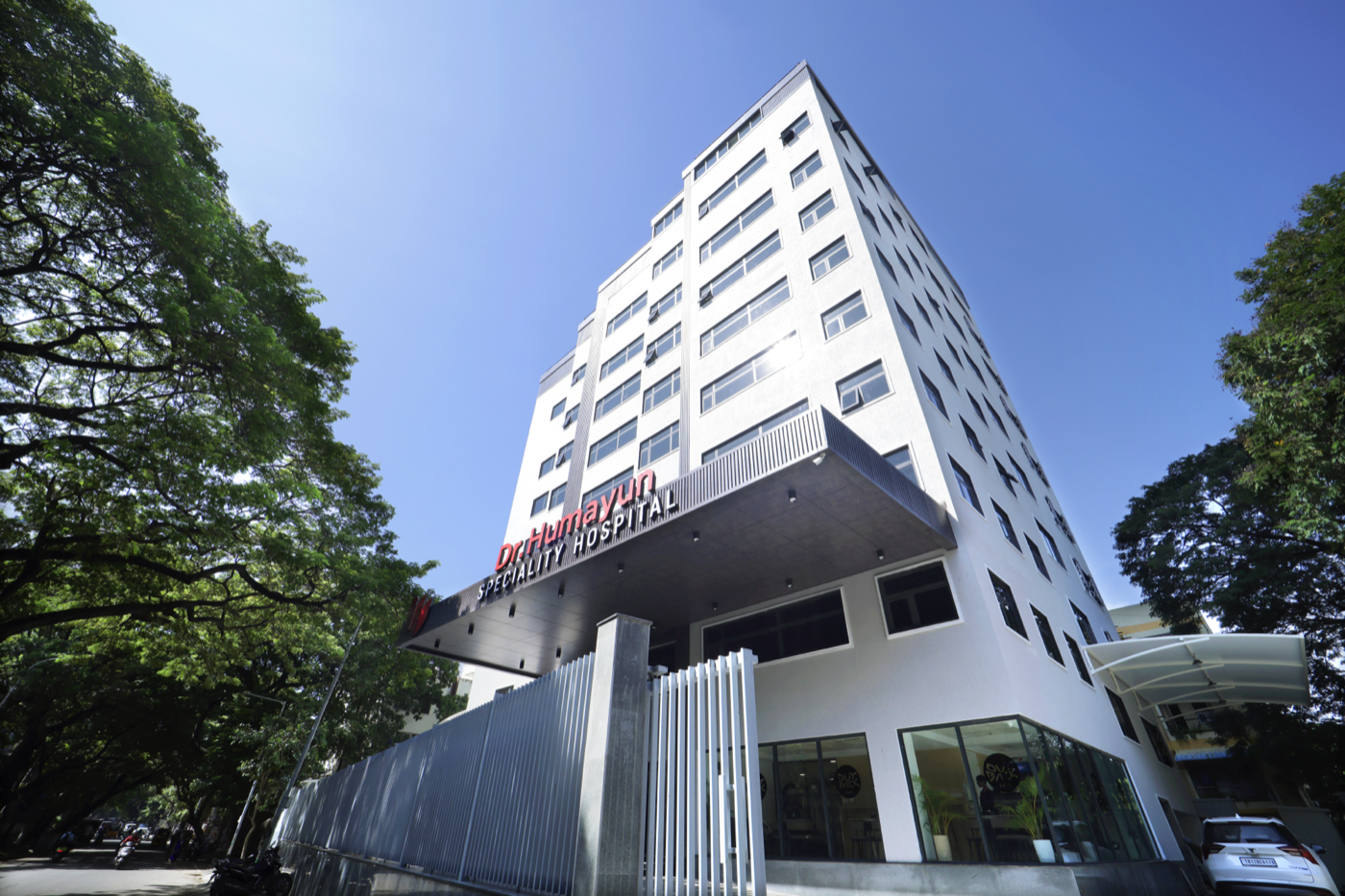
Why choose Humayun for kidney problems
Almost everything that protects kidneys happens years before dialysis is ever discussed.
- Kidney function checked in the people most at risk, which is where early disease is actually found
- Blood pressure and diabetes treated as kidney treatment, because that is what they are
- Medication reviewed for kidney safety, since many common drugs are cleared by the kidneys
- Nephrology in the same hospital for referral in good time rather than at crisis
Your Health Matters
Take the next step towards better healthcare.
Connect with our experienced specialists and find the right care for you and your family.
More in General Medicine
Diabetes Care
Diagnosis, monitoring and long-term management of diabetes, with the annual checks that prevent complications.
Hypertension Management
Diagnosis and long-term control of high blood pressure, the condition that causes most strokes and heart attacks.
Fever & Infectious Diseases
Investigation and treatment of fever, including dengue, typhoid, malaria and infections that have not settled.
Respiratory Disorders
Assessment and treatment of cough, breathlessness, asthma and chest infections in adults.
Gastrointestinal Disorders
Assessment and treatment of acidity, abdominal pain, altered bowel habit and other digestive symptoms.
Liver Disorders
Assessment of abnormal liver tests, fatty liver and hepatitis, most of which are reversible when caught early.
Thyroid & Metabolic Conditions
Diagnosis and management of thyroid disorders, cholesterol problems and other metabolic conditions.
Geriatric Medicine
Medical care for older adults covering falls, memory, frailty and the medication list that often causes as much harm as good.
Preventive Medicine
Health checks, screening and risk assessment for people who feel well, aimed at finding what has no symptoms yet.