Dietetics & Clinical Nutrition
Diet plans built around the meals you actually eat, for diabetes, kidney disease and recovery.
Diet plans built around the meals you actually eat, for diabetes, kidney disease and recovery.
Your health. Our priority.
A diet plan is only useful if it survives contact with a real household, a real budget and a real week.
- Plans written in terms of rice, roti, dal and the meals your family already cooks
- Portion guidance using household measures rather than grams nobody weighs
- Review appointments, because the first plan is rarely the one that lasts
- Working directly with the treating team, so the diet matches the medication
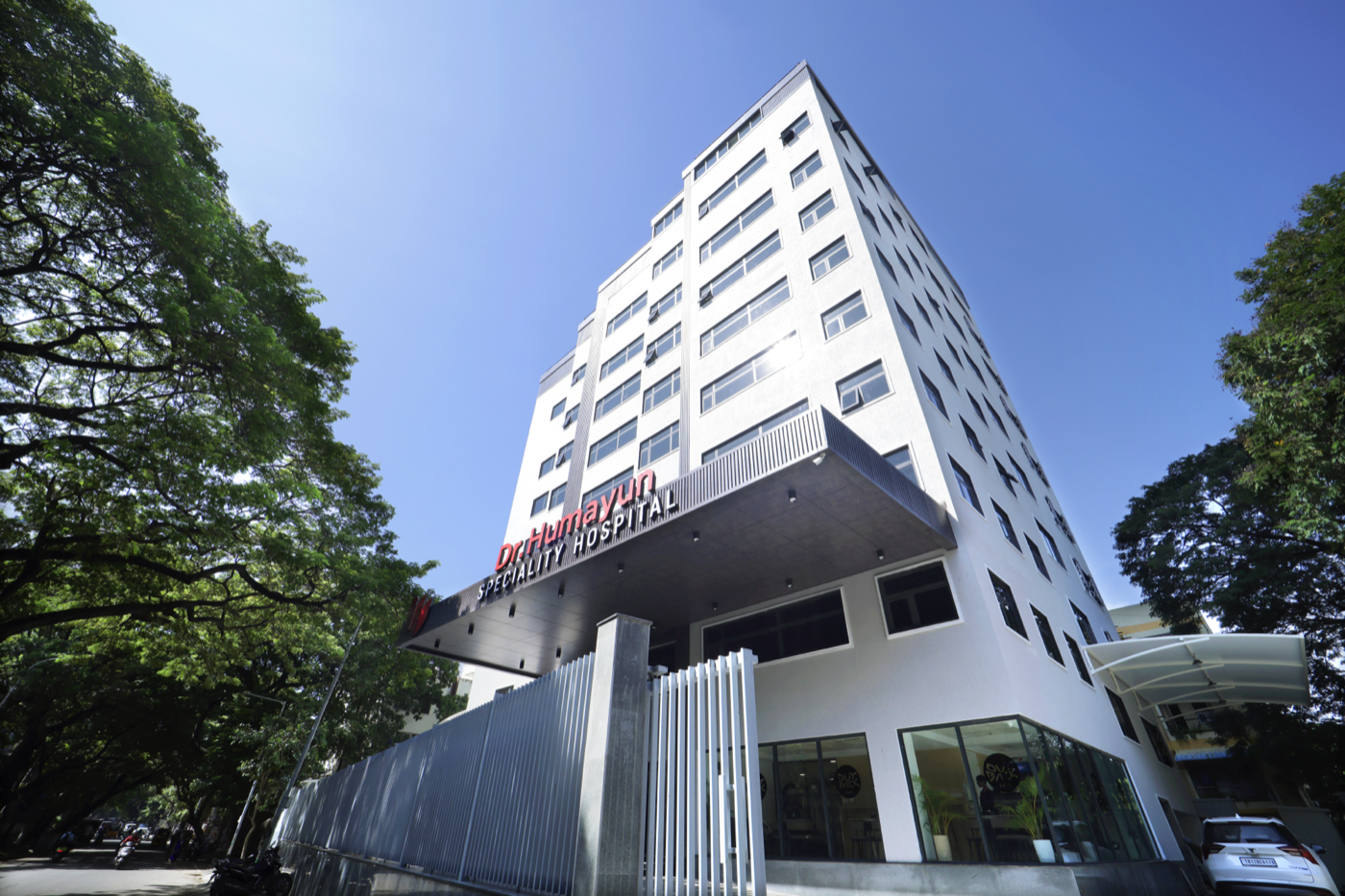
Advanced care for better outcomes.
Nutritional assessment, meal planning and ongoing dietary support.
Nutritional assessment and dietary history
Individual meal planning
Carbohydrate counting for diabetes
Renal diet planning
Weight management programmes
Nutrition support for inpatients
Follow-up and plan adjustment

Safety. Compassion. Excellence.
Your health and comfort remain at the heart of every treatment we provide.
Advanced technology and facilities
Assessment and support facilities behind the dietetics service.
- Consultation rooms for dietary assessment
- Body composition and anthropometric measurement
- Laboratory access for nutritional markers
- Inpatient nutrition support service
- Written plans and portion guides
- Coordination with the hospital kitchen for inpatients